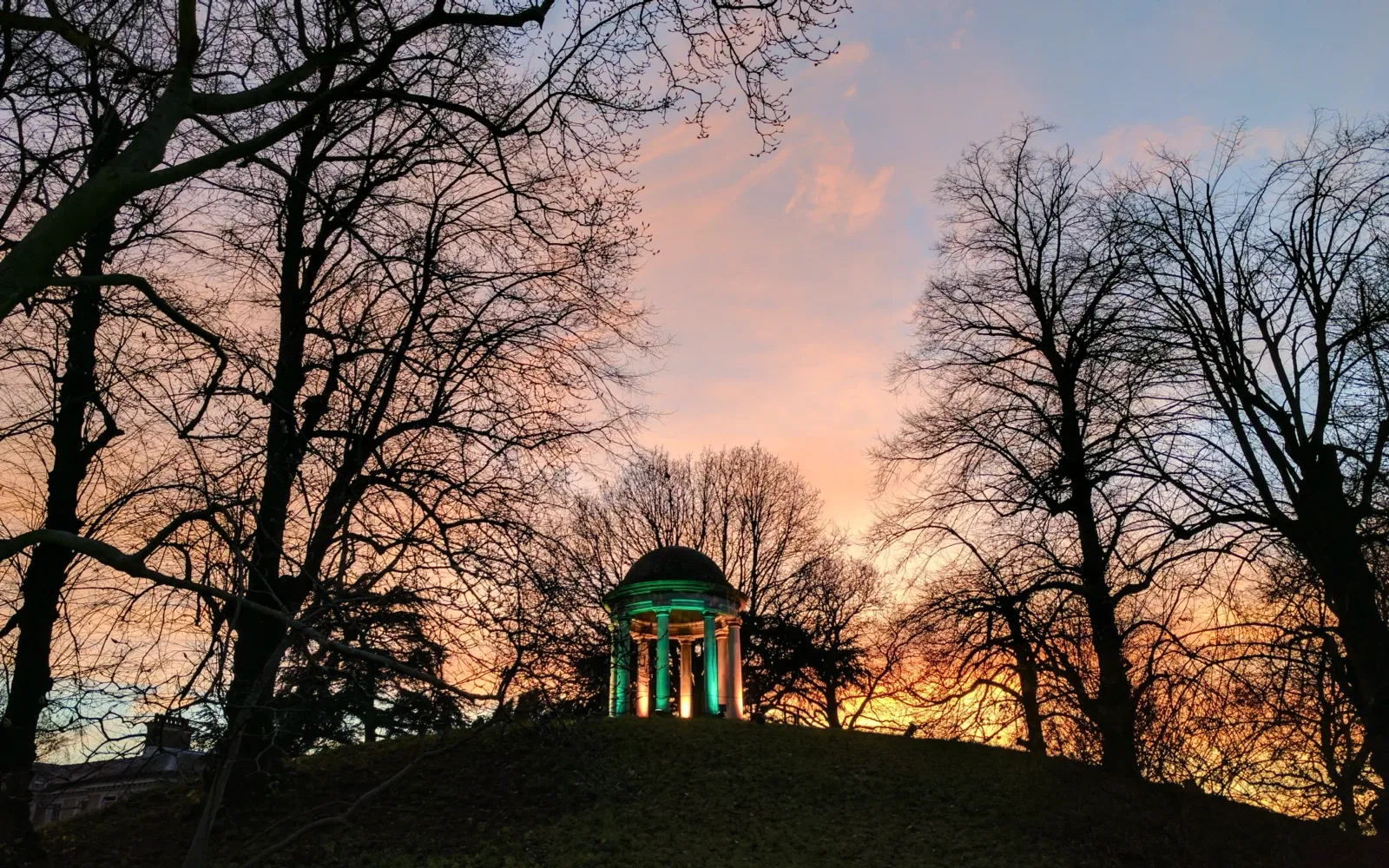
My friend Joël recently introduced me to the Empire podcast, specifically an episode titled Empire of Plants: From Kew Gardens to Botany Bay. In it, Anita Anand and William Dalrymple speak with Sathnam Sanghera about the history of botanic gardens—not just as museums of nature, but as engines of colonialism.
It hit close to home. In 2016, Joël took my family to Kew Gardens during a trip to the UK. It was near Christmas, and we brought my then 4-year-old daughter to explore.
We had a lovely day. During the winter holidays, Kew puts together a spectacular light show that adds a layer of magic to a place already rich in sensory detail: giant palms housed in Victorian glass, oversized lily pads floating on ponds, and centuries-old trees—black walnut, coastal redwood, mountain gum—standing guard over the grounds. I have vivid memories of my daughter running through the mature gardens, watching the sunset as the holiday lights began their performance.
At the time, I saw Kew simply as a testament to human curiosity—a commitment to studying the world’s beauty and diversity.
But the podcast framed a darker reality: Kew was a powerful tool for empire. It played a central role in the economic exploitation of Britain’s colonies, with scientists working to cultivate and transport valuable crops like rubber and quinine—often with devastating consequences for indigenous communities. The beauty I admired was, in many ways, an archive of theft.
The mention of the rubber industry resonated deeply. In 2006–2007, I lived in Borneo for the better part of a year. There, I saw the legacy of the rubber trees introduced by British colonists firsthand.
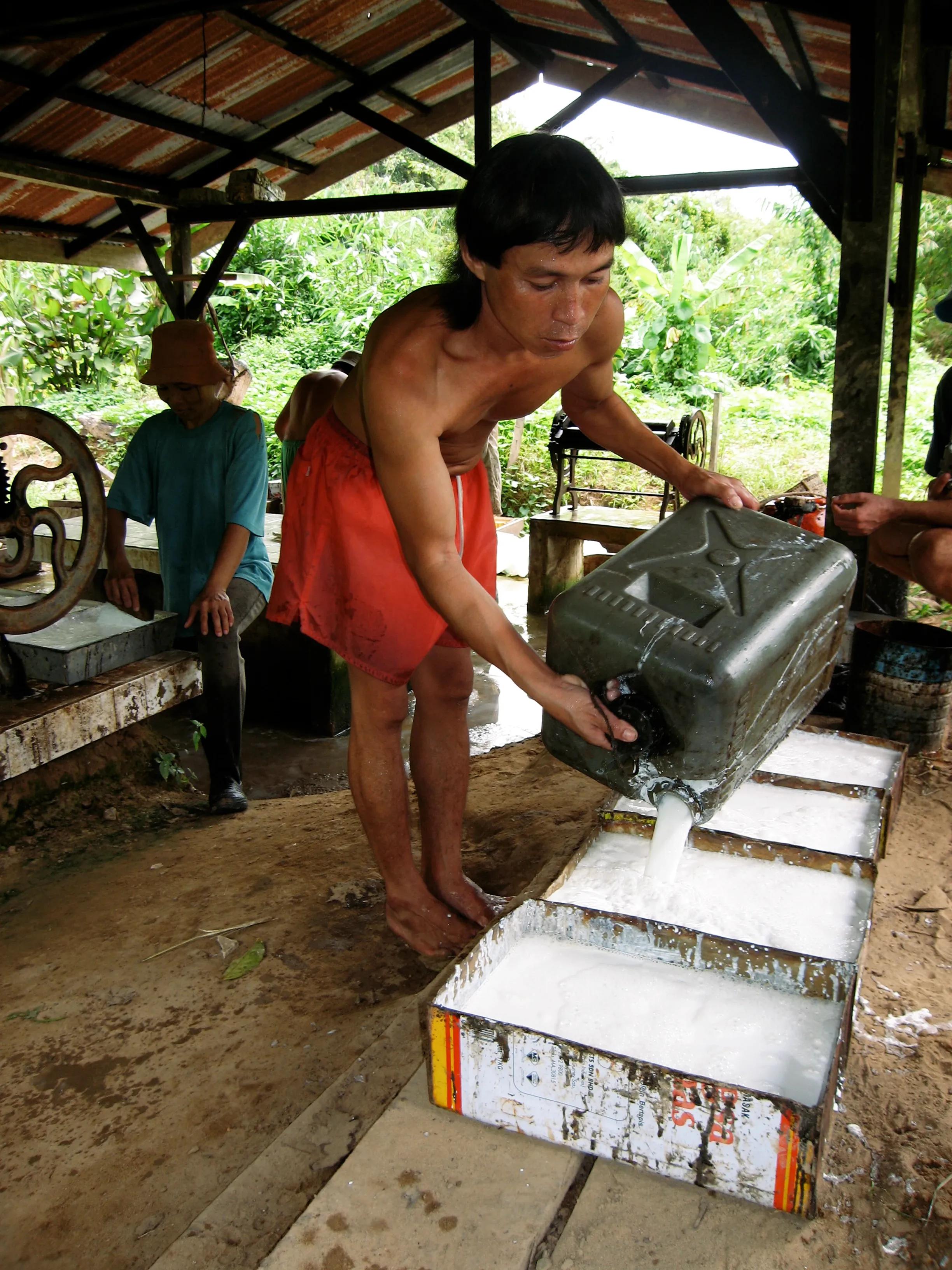
That experience in Borneo brought this abstract history into sharp focus. History is rarely simple; it is a story of curiosity and cruelty, beauty and barbarism.
Kew seems to be grappling with this legacy now. As they note in an article on their website:
“Currently, Kew is in the middle of a journey; we are looking at our language, our collections, our scientific practices, our policies, and the histories we do and don’t tell about Kew’s entanglement with the British Empire… In the words of the museum’s founder Sir William Hooker, our purpose was to show plants and ‘the uses which the ingenuity of man has derived from them’ – and to harness them at quite a cost.”
(Thanks for the share, Joël!)